
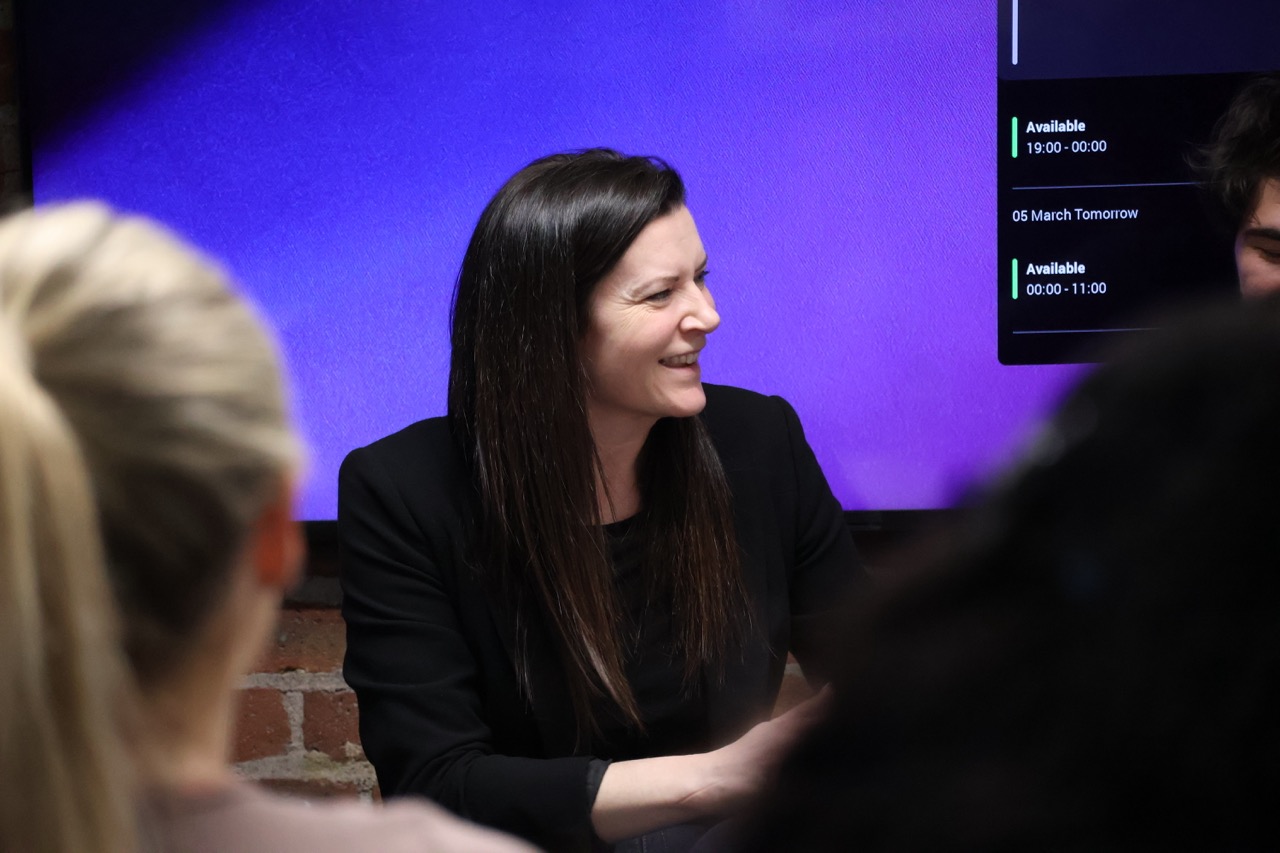
Clair Hillier is a leader at Seriös Group, experts in data solutions, and a mentor and judge on the Digital Careers programme. Having started her own career at a time when the North East offered little choice for graduates, she has watched the region transform into a genuine tech hub backed by strong local universities.
We sat down with Clair to talk about the demand for digital skills in the North East, the qualities young people need to thrive, and why she believes investing in the next generation of tech talent is worth every minute.
Q1: Seriös Group are experts in data solutions, helping organisations take control of their data. From your perspective, what does the demand for digital and tech skills look like right now in the North East?
"I think it's a phenomenal place to be in the North East now. When I left university, you either went to the one large corporation in the area or nowhere and we never got to keep the good students in the area. Whereas if you look at the tech industry in the North East, it's a really good place to be. I see it as being a really exciting place, especially with the local universities and how they've levelled up their courses and how applicable they are to the workplace."
Q2: What motivated you and Seriös Group to get involved with the Digital Careers programme? How does it connect to the work you do day to day?
"I would say that the work that we put into the Digital Careers programme is about investing in the future and supporting the next generation coming into the industry. If we can get young people interested in tech, that's something that will pay off later for the industry as a whole. The key is helping young people understand what opportunities are out there in the data and tech industry."
Q3: As experts in data solutions, you see what data and AI skills are needed today. What are the top skills or qualities that young people should be developing now to be ready for the job market?
"Firstly, I would encourage young people to make sure that they have a passion for tech. Make sure that you are constantly staying on top of what is in the market, but definitely make sure that you understand the fundamentals of what you are interested in. Do not get lazy with AI, use it and give it the respect that it deserves. Make sure that you are willing to learn across the course of your career because tech is an industry that is ever-moving. I would say get comfortable problem-solving because if you're someone who enjoys a challenge or a puzzle or something to solve, then that has a lot to do with how tech works."
Q4: When you're mentoring students through the programme, what do you find they're most curious or surprised about when it comes to careers in tech and digital?
"There's such a range of opportunities out there, in terms of getting a career in a small start-up where you have to cover a lot of roles, versus going to work in a large multinational business where your role will be quite specialised.
Also consider the types of industry you can work in. You can go into a consultancy and purely work in tech, or you can go and join any industry because the majority of industries now need tech people to help them operate as a business. Think about an industry that you have some passion for, and work in the technical part of that world. For example, a phenomenal runner could be a programmer at a running shoe company. You can be a tech person and find an industry where you have a passion."
Q5: How does a programme like Digital Careers help address the talent pipeline challenges you see in the North East?
"For me, it helps young people to see what opportunities are out there. It lets them speak to people who've had experience in the tech industry, and hopefully it opens their eyes and encourages them to explore the tech world a bit more.
As a woman working in tech, I was quite lucky to work with a girls' school. There were roles that a lot of the girls I worked with weren't aware of, so being able to talk to them opened their eyes to opportunities and possibly gave them an idea about what career path to go down.
Being part of the judging panel, I was phenomenally impressed with the effort and enthusiasm of all the end-of-programme submissions. A lot of young people put a lot of time into making sure that they represented themselves passionately through the projects that they’d taken on.”
If you would like to be a mentor or if you're interested in learning more about the Sunderland Digital Careers Programme, please get in touch.
.jpg)


